
For years, most travelers heading to Greece had a simple plan: fly into Athens, catch a ferry, and spend a week in Santorini or Mykonos. These islands earned their fame with dramatic landscapes and nightlife, but something different is happening now. More visitors are choosing lesser-known Greek islands over the usual hotspots. And it’s not just a trend driven by budget travelers. Everyone from couples to families to slow-travel enthusiasts is discovering the charm of hidden Greek islands like Sifnos, Koufonisia, Naxos, Kythnos, and Serifos.
This blog explores why that shift is happening, what makes these islands appealing, and how you can plan a memorable trip in 2025 and beyond.
A New Pattern in Greek Tourism
Tourism in Greece keeps growing every year, but the distribution of visitors is changing. More travelers are skipping crowded destinations and booking trips to islands that used to be completely under the radar.
Travel reports over the past two seasons show rising interest in smaller island groups such as the Lesser Cyclades, the Saronic islands near Athens, and northern clusters like the Sporades. Many of these places used to attract only locals or return visitors. Today, they’re gaining attention from international travelers who want a quieter experience with better value.
Several factors have pushed this shift, including sustainability, better ferry routes, renewed interest in slow travel, and the simple desire to see something different from the usual picture-perfect spots that dominate social media.
If you’ve been thinking about a Greek holiday but you want to avoid crowds, this trend is working in your favor.
What’s Driving the Move Toward Hidden Greek Islands?
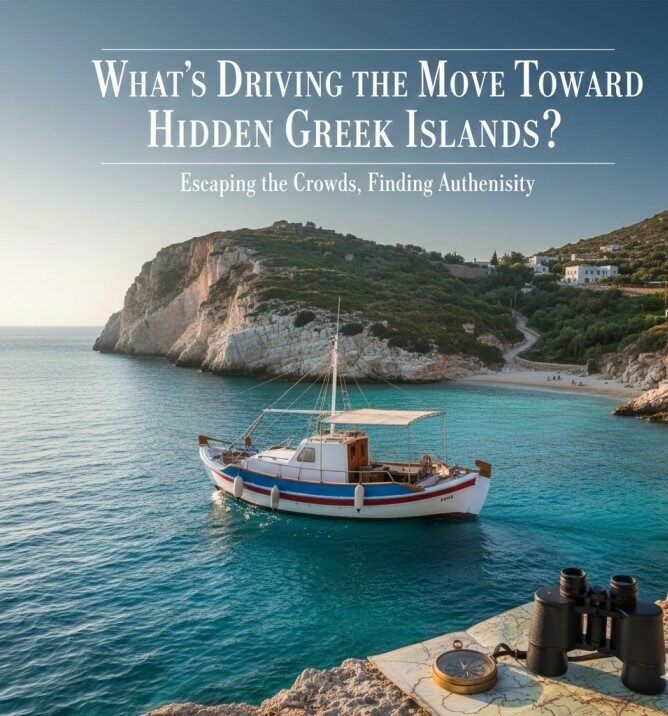
1. Travelers Want More Authentic Experiences
Travelers are less interested in staged viewpoints or overpriced sunset bars. Smaller islands offer a different kind of experience: family-run tavernas, local festivals, fishermen returning with the day’s catch, and beaches without loud music or crowds.
On islands like Koufonisia or Sifnos, you get a sense of real island life. Mornings start slow, afternoons are spent swimming in quiet bays, and evenings revolve around simple local food. This kind of authenticity is becoming a core reason people search for “lesser-known Greek islands” when planning trips.
2. Desire for Less Crowded Beaches
Popular islands can feel overcrowded during peak season. Limited beaches get packed early, restaurants book out, and narrow alleys fill up with tour groups.
Hidden islands give you room to breathe. You can still find stretches of sand where only a handful of people show up. Even in July or August, many small Cycladic islands stay calmer than their famous neighbors.
3. Growing Interest in Slow and Sustainable Travel
The rise of slow travel has changed the way many people plan vacations. Travelers want to spend more time in one place, learn the local rhythm, and reduce their environmental impact.
Smaller islands naturally support this style of travel. They’re walkable, have strong community culture, and often rely on local businesses instead of large chains. You can stay in a locally owned guesthouse, eat at village tavernas, and explore on foot or by bike — a perfect match for sustainable travel.
4. Better Ferry Connections and Accessibility
A decade ago, some Greek islands were difficult to reach unless you had patience and flexible schedules. Today, ferry networks have improved significantly.
High-speed ferries link Athens with many small islands in two to four hours. Inter-island connections have also expanded, making island hopping easier.
Travelers can now pair islands like Naxos and Koufonisia or Sifnos and Serifos without complicated planning.
You can check updated ferry routes and schedules at:
https://www.ferries.gr
https://www.directferries.com
5. Better Value for Accommodation and Food
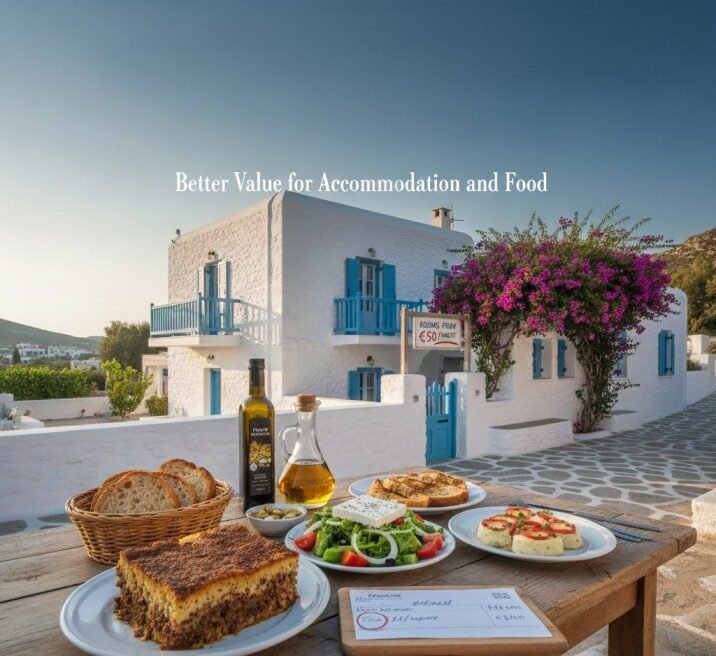
Prices on popular islands have risen sharply. In peak season, simple hotels in Santorini or Mykonos can cost more than luxury rooms elsewhere.
On quieter islands, you get more value:
-
Family guesthouses with sea views
-
Home-cooked meals at reasonable prices
-
Cheaper vehicle rentals
-
Less expensive beach activities
For travelers trying to manage budgets without sacrificing beauty, hidden islands are an ideal choice.
Spotlight: Islands Worth Adding to Your List
Here are some standout lesser-known Greek islands that offer a mix of natural beauty, local culture, and tranquility.
Koufonisia — The Turquoise Paradise
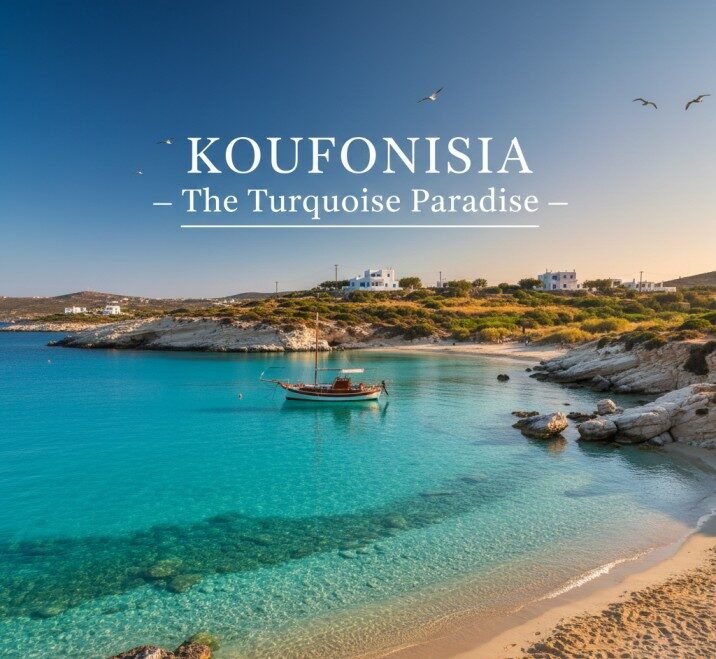
Koufonisia belongs to the Lesser Cyclades and is known for its unreal blue waters and easygoing atmosphere. You can walk to most beaches, eat incredible seafood, and spend afternoons hopping between coves.
Great for: beach lovers, couples, and anyone who prefers a no-rush holiday.
Sifnos — The Food Lover’s Island
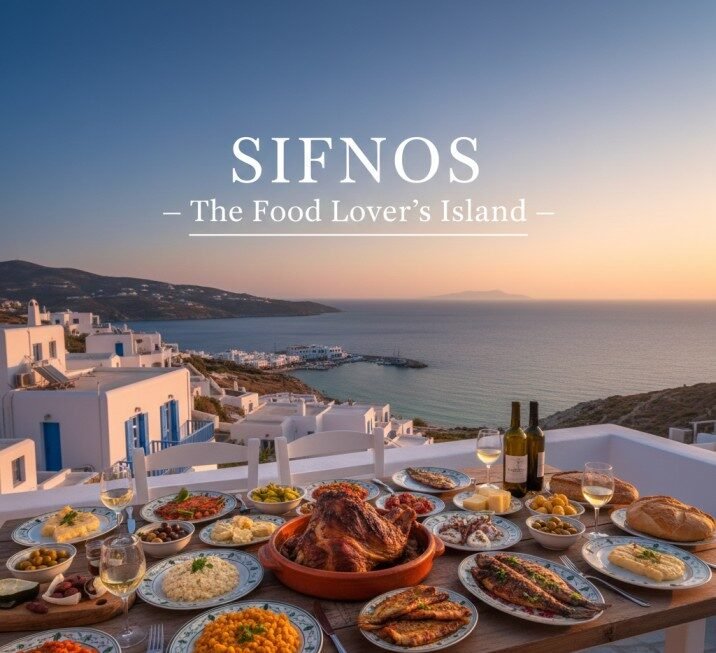
Sifnos has a reputation for having some of the best traditional food in Greece. Its villages are charming, its pottery culture is strong, and its hiking network is one of the best in the Cyclades.
Great for: foodies, hikers, and culture seekers.
Naxos — The Balanced All-Rounder
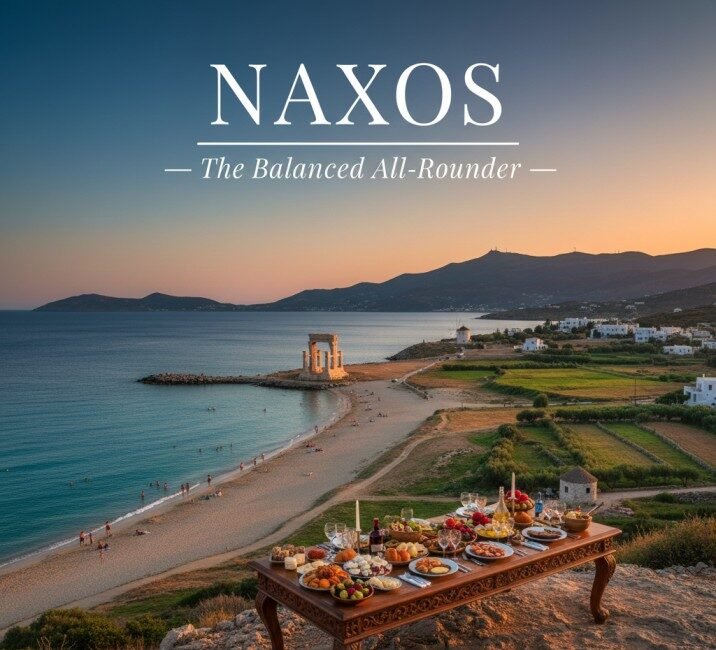
Naxos is larger but still counts as a quieter alternative compared to Mykonos or Paros. It has long beaches, mountain villages, ancient ruins, and serious local agriculture.
Great for: families, long stays, first-time visitors who want variety.
Serifos — Minimalistic and Wild
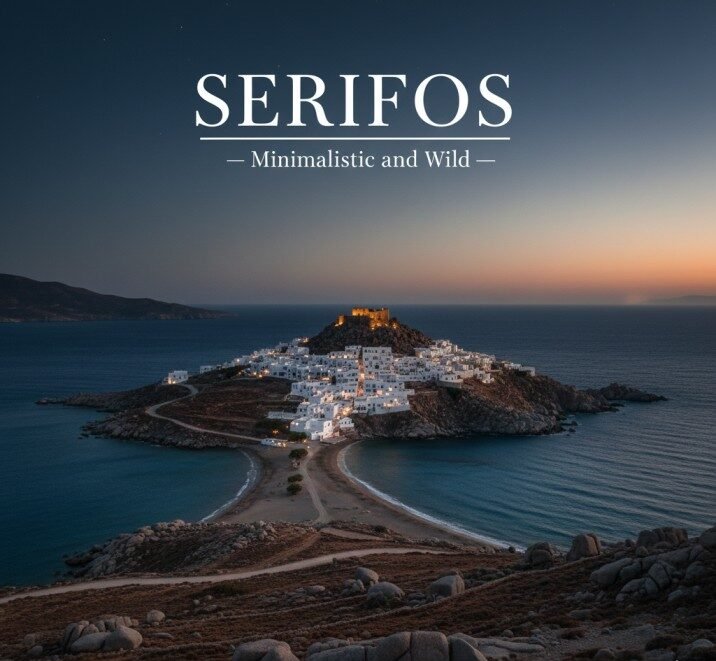
Serifos has rugged landscapes, sandy beaches, and one of the most beautiful hilltop towns in the Cyclades. It’s perfect if you want raw beauty without too many tourists.
Great for: adventure travelers, hikers, photographers.
Kythnos — Close to Athens but Peaceful
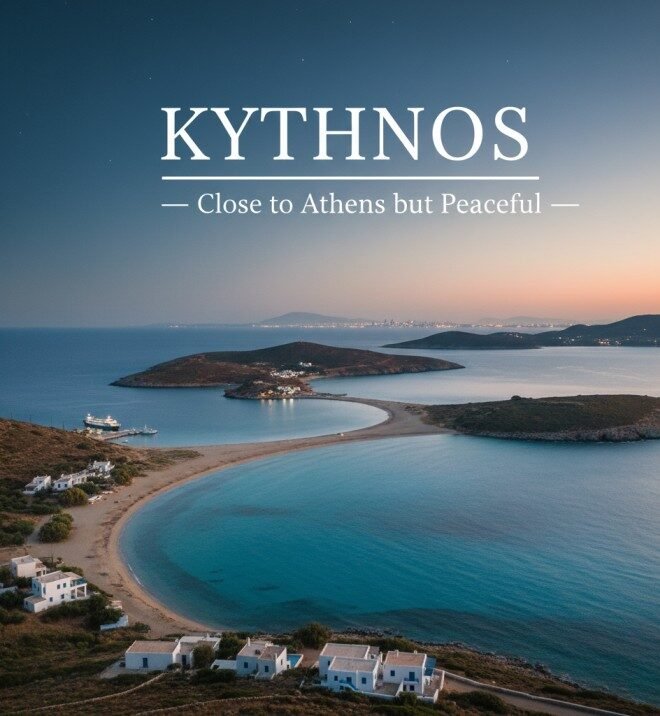
Kythnos is ideal if you want a calm island that’s easy to reach. It has thermal springs, sandy bays, and a relaxed vibe that suits weekend getaways.
Great for: short trips, low-key relaxation.
For more inspiration on Cycladic islands, check the official Greek tourism guide:
https://visitgreece.gr
Tips for Planning a Trip to Lesser-Known Greek Islands
Choose the Right Season
-
May to mid-June and September to early October offer perfect weather and fewer crowds.
-
July and August are livelier but still manageable on small islands.
-
April and November are quiet and for travelers who prefer off-season charm.
Understand Local Transport
Many small islands have limited buses, so plan ahead. Walking, biking, or renting small vehicles are common options.
Book Early for Small Islands
Because accommodations are smaller and family-run, they fill up faster than big resort destinations. Booking early helps secure the best rooms.
Respect the Environment
Water is limited on many islands. Simple habits like shorter showers and avoiding single-use plastic make a difference.
A One-Week Itinerary Focused on Slow Travel
Here’s a sample plan that gives you the best of two quiet islands:
Days 1–3: Naxos
-
Explore the Portara at sunset
-
Swim at Agios Prokopios
-
Drive to the villages of Chalki and Apeiranthos
-
Eat local specialties like graviera cheese and Naxian potatoes
Days 4–7: Koufonisia
-
Hop between beaches on foot
-
Try local fish at seaside tavernas
-
Take a boat trip to Kato Koufonisi
-
Spend evenings walking the small port town
This itinerary blends culture, beaches, and calm energy — the main reasons people fall in love with hidden Greek islands.
Costs and Practical Expectations
Travelers often assume that smaller islands lack amenities. In reality, you’ll find:
-
Clean beaches
-
Comfortable guesthouses
-
Quality tavernas
-
Enough shops for essentials
What you won’t find are huge resorts or loud nightlife. And that’s exactly the point.
Costs vary depending on the island, but you can expect:
-
Accommodation: more affordable than Santorini
-
Food: homemade dishes at fair prices
-
Transport: ferries can be the main expense, especially in high season
Comparing ferry prices is easy using:
https://www.ferryhopper.com
Responsible Tourism on Smaller Islands
Tourism can boost local economies, but small islands have fragile ecosystems. Here’s how to travel responsibly:
-
Support local businesses instead of international chains.
-
Avoid littering and use refillable water bottles.
-
Stick to walking paths on hikes.
-
Learn basic Greek phrases — locals appreciate the effort.
-
Don’t take shells or stones from beaches.
Responsible choices help keep these islands beautiful for future travelers.
Why This Trend Will Continue
Three factors suggest the rise of lesser-known Greek islands will grow even stronger:
-
Social media fatigue. People want holidays that feel personal, not mainstream.
-
Sustainability awareness. Travelers are choosing destinations that align with responsible tourism values.
-
Cost of popular islands. As prices rise, visitors look for equally beautiful alternatives that don’t break the budget.
Hidden islands offer everything travelers want today: authenticity, space, local food, quiet beaches, and a simpler rhythm. It’s no surprise these destinations are becoming the new favorites in Greece.
Final Thoughts
If you’re planning a Greek holiday and want a more meaningful experience, exploring lesser-known Greek islands is a smart choice. They offer the peace, charm, and natural beauty that many travelers miss on the crowded islands. Whether you’re into food, beaches, hiking, or slow travel, you’ll find a destination that feels personal and memorable.