

Experiential travel has moved from a niche idea to a core way people plan trips. Travelers no longer want to only see Greece. They want to participate in it. They want to cook with locals, work the land for a day, learn why food tastes the way it does, and understand daily life beyond postcard moments. Greece, with its strong food culture, village traditions, and family-run farms, is uniquely positioned for this kind of travel.
This guide explores how experiential travel works in Greece, why it’s growing fast, where to go, what experiences travelers are booking, and how cooking, farming, and local life are reshaping Greek tourism.
Why experiential travel is booming in Greece
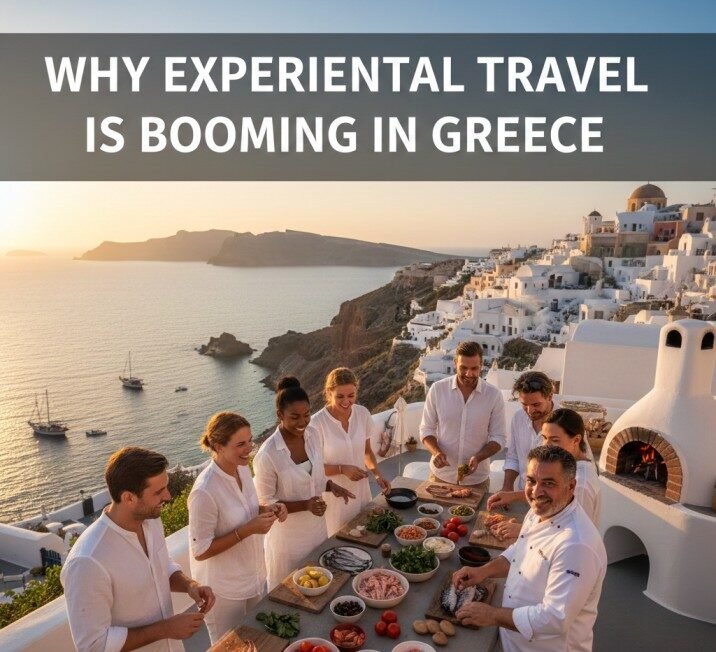
Traditional sightseeing still matters, but it no longer defines a successful trip. Travelers are searching for authenticity, connection, and learning. Greece delivers all three naturally.
Several forces are driving this shift:
-
Repeat visitors want something deeper than famous landmarks
-
Long-haul travelers want meaningful use of limited vacation time
-
Younger travelers value skills, stories, and personal growth
-
Social media rewards hands-on, story-driven experiences
-
Rural communities are opening their doors as tourism diversifies
Experiential travel also supports year-round tourism and spreads income beyond major hotspots. Cooking classes, olive harvests, and village stays work just as well in spring and autumn as they do in summer.
External reference: https://www.unwto.org
External reference: https://www.visitgreece.gr
What experiential travel really means in Greece
Experiential travel is not staged entertainment. In Greece, it usually involves real families, real work, and real traditions. The goal is participation, not performance.
Common characteristics include:
-
Small groups or private experiences
-
Locally owned homes, farms, and workshops
-
Activities tied to daily life or seasonal cycles
-
Shared meals and conversations
-
Storytelling passed down through generations
This approach appeals to travelers who want to understand Greece from the inside, not just photograph it from the outside.
Cooking like a local: Greece’s most popular experience
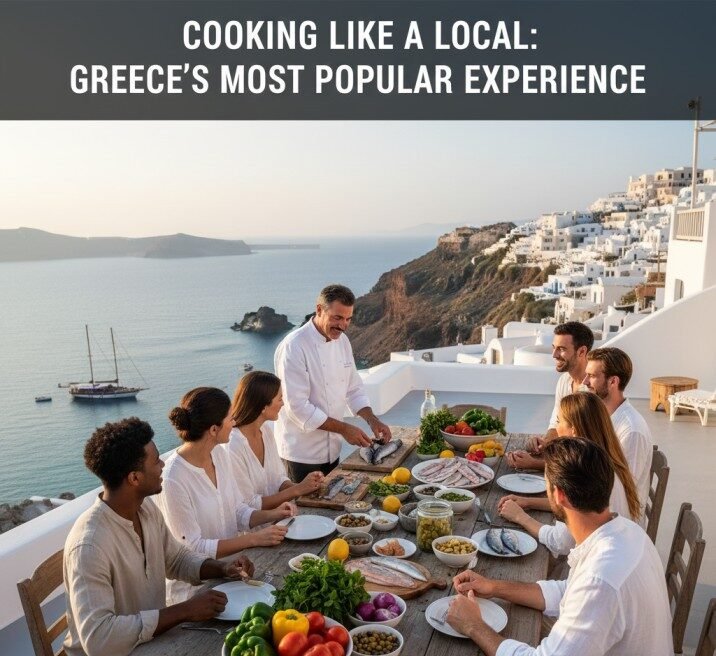
Why Greek cooking experiences work so well
Greek food is deeply connected to family, land, and seasonality. Recipes are simple but meaningful, and meals are social events. This makes cooking an ideal entry point into local culture.
Unlike restaurant dining, cooking with locals teaches:
-
How ingredients are sourced
-
Why dishes change by region
-
How food connects to religion and tradition
-
The role of hospitality in Greek life
What a typical Greek cooking experience includes
Most cooking experiences follow a similar rhythm:
-
Welcome coffee or herbal tea
-
Visit to a garden, market, or pantry
-
Hands-on preparation of several dishes
-
Shared meal with wine and conversation
Popular dishes include:
-
Moussaka and pastitsio
-
Stuffed vegetables
-
Fresh salads with regional olive oil
-
Handmade pies and breads
-
Seasonal desserts
Many experiences take place in private homes or small farms rather than commercial kitchens.
Regional cooking experiences worth seeking out
Crete
Known for its diet and longevity culture, Cretan cooking classes focus on wild greens, olive oil, legumes, and slow cooking.
Peloponnese
Home-style recipes, handmade pasta, and village bread baking dominate here, often paired with wine tastings.
Cyclades
Island cooking emphasizes simplicity, seafood, capers, and local cheeses like kopanisti.
Epirus
Famous for pies, Epirus offers hands-on phyllo-making and mountain village recipes.
External reference: https://www.visitcrete.com
External reference: https://www.discovergreece.com
Farming and agritourism: reconnecting with the land
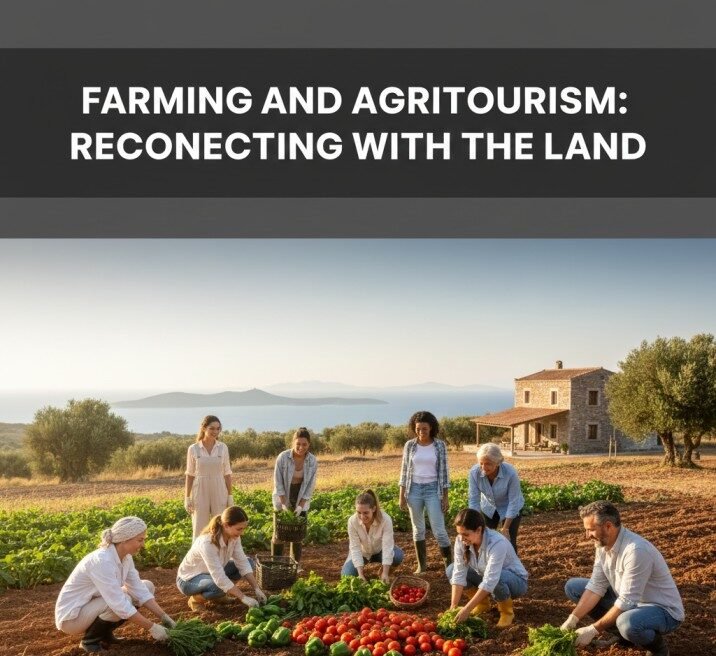
Why farming experiences matter to travelers
Farming experiences create instant perspective. Spending a few hours harvesting olives or tending vines teaches more about Greek culture than many guided tours.
Travelers are drawn to farming because it offers:
-
Physical engagement
-
Learning through doing
-
Slower pace and mental reset
-
Direct connection to food origins
Agritourism also benefits rural communities, helping farms stay viable while preserving traditional practices.
Olive oil experiences: the backbone of Greek agritourism
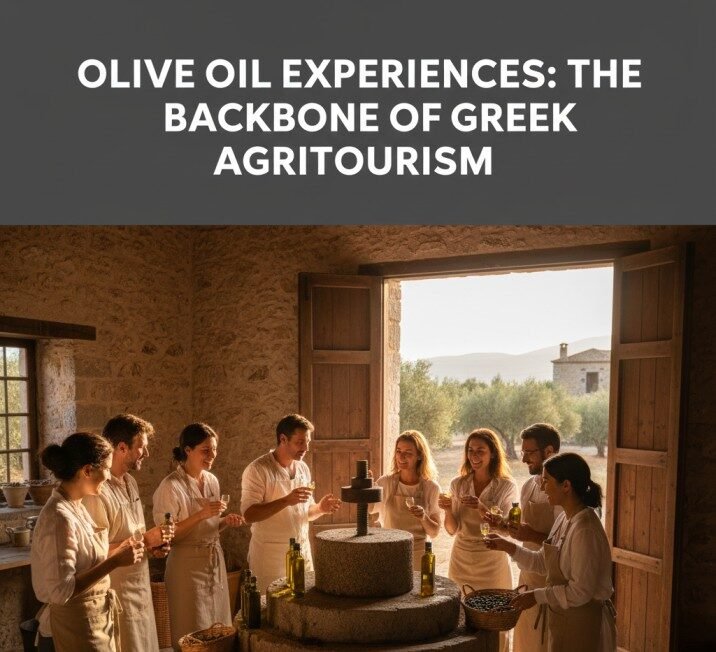
Olive oil is not just a product in Greece. It’s identity.
Olive-related experiences often include:
-
Grove walks and tree care explanations
-
Harvest participation in autumn
-
Visits to local presses
-
Tasting sessions explaining flavor profiles
-
Meals built around fresh oil
Regions like Crete, Kalamata, and Lesvos are leaders in olive-based experiences.
External reference: https://www.internationaloliveoil.org
Wine, honey, and cheese experiences
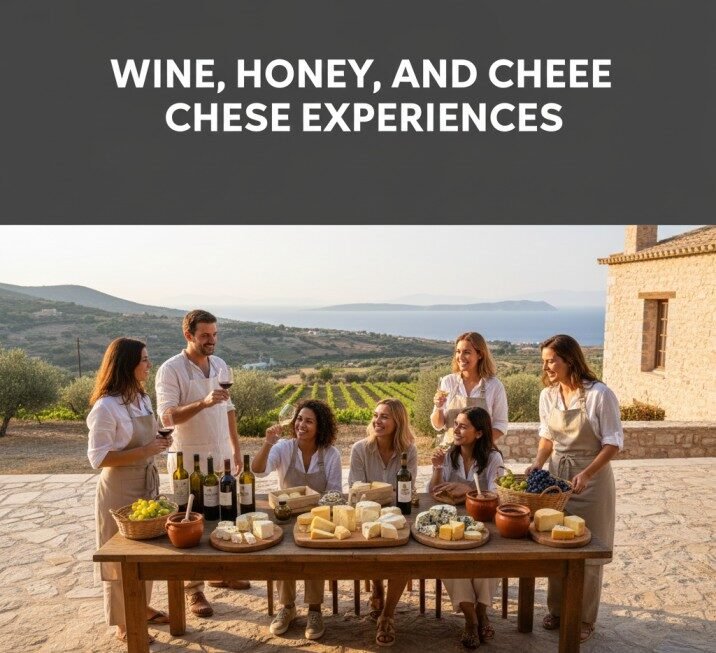
Beyond olives, Greece offers rich agricultural experiences:
Wine tourism
Visitors help with grape harvests, learn fermentation basics, and taste indigenous varieties like Assyrtiko and Xinomavro.
Honey and beekeeping
Beekeepers explain seasonal migration, hive care, and honey types such as thyme and pine.
Cheese making
Small dairies demonstrate feta, graviera, and mizithra production, often allowing guests to assist.
These experiences are especially popular in spring and autumn.
External reference: https://www.winesofgreece.org
Living like a local: village stays and daily life
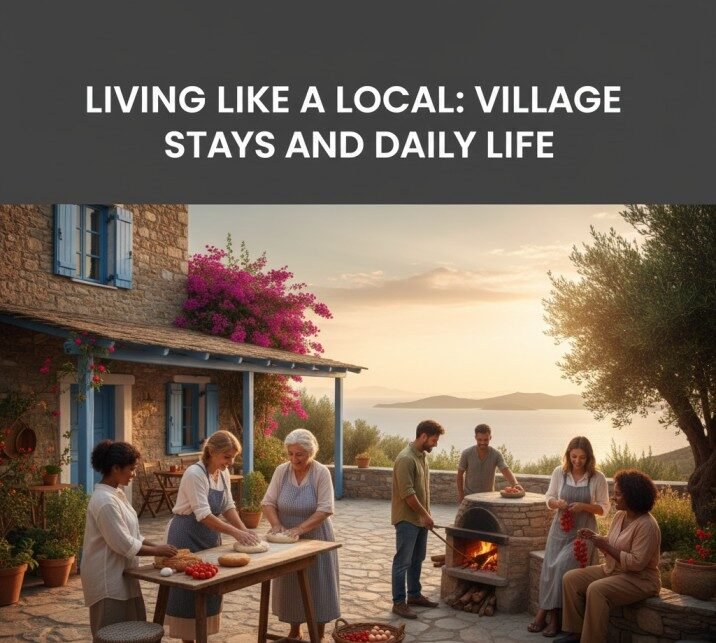
The appeal of village-based travel
Staying in a village changes everything. Time slows down. Conversations replace itineraries. Travelers stop being observers and start becoming temporary residents.
Village experiences often include:
-
Staying in restored stone houses
-
Shopping at local bakeries and markets
-
Participating in festivals or name days
-
Learning customs tied to religion and seasons
Many travelers say village stays are the most memorable part of their Greece trip.
Islands vs mainland village life
Island villages
Life centers around the sea, fishing schedules, and seasonal rhythms. Winter stays offer rare insight into island realities beyond tourism.
Mainland villages
Agriculture, crafts, and extended family life dominate. Mountain villages especially preserve older traditions and dialects.
Both offer deep cultural immersion, but mainland villages tend to support longer stays.
Workshops and traditional crafts
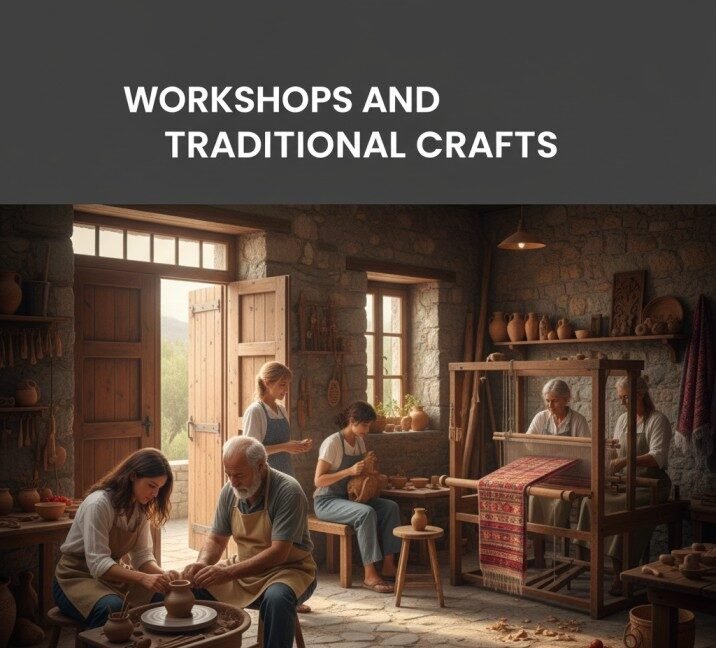
Experiential travel in Greece goes beyond food and farming.
Popular workshops include:
-
Pottery and ceramics
-
Weaving and textile dyeing
-
Icon painting
-
Wood carving
-
Traditional music and dance
These workshops are often taught by artisans trying to preserve endangered skills, making participation both educational and impactful.
External reference: https://ich.unesco.org
Seasonal experiences that define local life
Timing matters for experiential travel. Greece’s calendar is rich with seasonal moments.
Spring
-
Easter preparations
-
Wild herb foraging
-
Lamb roasting traditions
Summer
-
Fishing trips
-
Village festivals
-
Outdoor cooking and music
Autumn
-
Olive and grape harvests
-
Wine making
-
Preserving foods
Winter
-
Bread baking
-
Slow cooking
-
Mountain village life
Travelers who plan around seasons experience a more authentic Greece.
Where experiential travel works best in Greece
Certain regions naturally lend themselves to immersive travel.
-
Crete for food and farming
-
Peloponnese for villages and wine
-
Epirus for mountain life and crafts
-
Naxos and Paros for farming and cooking
-
Lesvos for olive oil and traditional life
-
Zagori villages for stone architecture and slow living
These areas offer depth without crowds.
The role of sustainability and community benefit
Experiential travel supports sustainable tourism when done responsibly.
Key benefits include:
-
Income for small businesses and families
-
Preservation of traditions
-
Reduced pressure on over-touristed areas
-
Encouragement of year-round travel
However, success depends on fair pricing, respectful behavior, and locally led experiences.
Travelers should choose operators who:
-
Are locally owned or community partnered
-
Limit group sizes
-
Clearly explain cultural expectations
-
Reinvest in local communities
External reference: https://www.responsibletourismpartnership.org
How travelers should plan experiential trips in Greece
Practical tips
-
Book early for harvest-based activities
-
Ask about physical requirements
-
Be open to flexibility and slower schedules
-
Learn basic Greek phrases
-
Respect local customs and privacy
Experiential travel works best when expectations are realistic and curiosity is genuine.
How experiential travel is reshaping Greek tourism
For Greece, experiential travel is not just a trend. It’s a long-term strategy.
It helps:
-
Extend the travel season
-
Diversify regional economies
-
Preserve intangible cultural heritage
-
Attract higher-value, longer-stay travelers
Tourism boards and local entrepreneurs are increasingly investing in training, storytelling, and product development centered on experiences rather than attractions.
The future of living-like-a-local travel in Greece
As travelers continue to value connection over consumption, Greece’s everyday life becomes its greatest asset. Cooking, farming, and village living are not staged activities here. They are ongoing realities that travelers are invited to join respectfully.
The most successful experiential trips leave travelers with more than photos. They leave with skills, friendships, and understanding. In Greece, those outcomes come naturally when visitors slow down, share meals, and take part in local life.


1 comment
It’s interesting how travel is shifting towards wanting to *live* a destination, not just see it—this article really captures that. I actually found some related discussion about immersive experiences