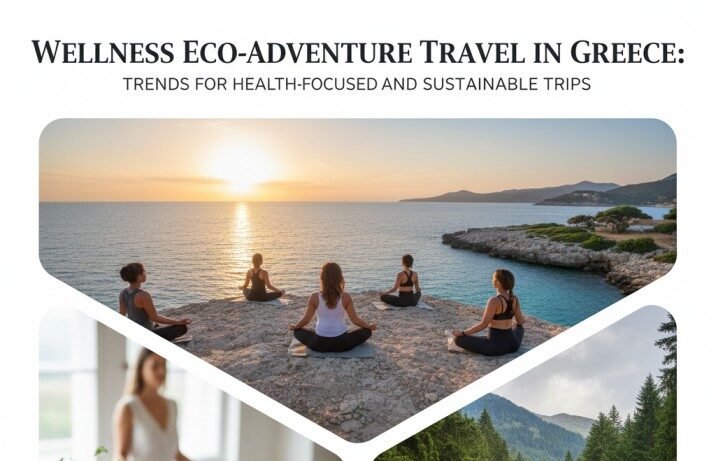
Greece is widely known for sun-soaked islands and ancient ruins, but another travel story is unfolding—one where wellness and eco-adventure meet. From thermal springs and olive-oil-based spa treatments to marine conservation volunteering and rugged multi-day hikes, Greece is packaging natural assets and local knowledge into health-focused, low-impact experiences that appeal to conscious travelers. This article examines the trends powering this shift, the destinations and operators leading the way, market data, and practical advice for travelers and tourism professionals who want to build and market wellness and eco-adventure products in Greece.
Why wellness and eco-adventure are converging in Greece now
Two big global travel trends intersect in Greece: the boom in wellness tourism and a rising demand for meaningful, sustainable outdoor experiences. Wellness travel—defined broadly to include physical, mental, and spiritual health—has exploded worldwide. At the same time, eco-adventure travel (hiking, birdwatching, kayaking, wildlife watching) attracts visitors who want active, low-footprint experiences. Greece combines natural resources (thermal springs, mountains, biodiversity-rich coasts), centuries-old food and healing traditions, and growing public-private support for sustainable tourism. Analysts and industry groups note Greece is actively positioning itself as a wellness and sustainable destination, leveraging natural and cultural assets to extend the tourism calendar and increase visitor value. Global Wellness Institute+1
Market snapshot: demand and economic potential
Recent industry reports show Greece’s tourism recovery is robust, and wellness is a visible component of that recovery. National and international analyses highlight growing investment in thermal springs, spa infrastructure, and wellness product development—driven by both domestic demand and international travelers seeking health-focused trips. The Global Wellness Institute’s recent case study on Greece underscores the country’s potential: natural thermal springs, the Mediterranean diet, and coastal and mountain landscapes represent untapped wellness assets that could produce notable economic returns. At the national level, tourism receipts and inbound volumes rebounded strongly, which creates the fiscal headroom needed to invest in diversified products like wellness and eco-adventure. Global Wellness Institute+1
Core segments: what travelers are booking
Wellness and eco-adventure travel in Greece breaks down into several overlapping segments:
-
Thermal and spa tourism: Natural hot springs and wellness hotels that pair medical or holistic programs with local treatments (olive oil therapies, thalassotherapy). Traditional spa towns and newly renovated resorts are both part of this category. Thermae Sylla Spa & Wellness Hotel+1
-
Wellness retreats and low-impact stays: Yoga, digital-detox, sleep-health, and Mediterranean-diet-focused retreats that often combine nutrition, movement, and cultural immersion.
-
Outdoor adventure with sustainable credentials: Multi-day trekking (e.g., Samaria Gorge, Vikos–Aoos), sea-kayaking, cycling, and birdwatching, with small-group operators that follow conservation-friendly practices. Melissani Cave
-
Community-based and conservation volunteering: Short-term volunteer programs that let visitors support marine or wildlife projects (turtle protection, monk seal monitoring) while learning local conservation challenges. iLand
-
Medical-wellness combinations: Post-rehab, physiotherapy, or preventive health packages integrated into resort stays—an emerging niche that intersects healthcare and tourism.
Key destinations and what they offer
Mainland and mountain areas: thermal springs, hiking, and nature therapy
Greece’s mountainous interior and thermal springs are central to the wellness story. Regions such as the Peloponnese, the northern Pindos range, and islands with geothermal activity offer everything from thermal baths to established wellness hotels. Mountain ranges provide forest bathing, guided hiking, and winter wellness opportunities—what many travelers now call “nature therapy.” The OECD and national action plans point to targeted investment in mountain and wellness infrastructure as a strategic priority. OECD
Crete and the southern islands: diet, movement, and agritourism
Crete’s diet and rural culture are powerful draws for health-focused travelers. Olive harvest experiences, culinary workshops, and wellness stays that pair local nutrition with movement modalities make the island attractive year-round. Agritourism—stays on working olive farms and vineyards—combines food education with hands-on wellness. Insete
Thermal towns and spa resorts: heritage meets modern wellness
Traditional thermal towns and newly developed spa resorts are both gaining attention. Small towns with natural springs and facilities offering mud therapies, hydrotherapy, and medically supervised wellness programs are carving out niche markets for rehab, arthritis care, and preventative health. Prominent spa properties and local spa towns demonstrate how traditional practices can be modernized for international markets. Thermae Sylla Spa & Wellness Hotel+1
Marine-focused eco-adventures: islands, marine parks, and citizen science
Greece’s Aegean and Ionian seas host important marine biodiversity—for example, loggerhead sea turtles and the Mediterranean monk seal. Marine protected areas and local NGOs provide opportunities for low-impact wildlife watching, snorkeling with strict guidelines, citizen-science projects, and volunteer programs that directly support conservation. These activities appeal to travelers who want to combine active days with meaningful contributions. Operators are increasingly packaging marine conservation experiences with eco-lodges and small-boat itineraries. iLand+1
Product innovation: how experiences are designed
Authentic, place-based wellness programs
Successful wellness products in Greece resist generic “spa-only” formulas. They integrate place-based elements: local diets, ancestral healing practices, olive-oil therapy, herbal medicine knowledge, and cultural rituals such as mindful visits to olive groves or archaeological sites for contemplative experiences.
Short, modular packages for modern travelers
Operators design 3–7 day modules that combine active and restorative elements—mornings for movement (hiking, yoga, paddleboarding), afternoons for wellness treatments, and evenings for local food. This modularity supports both short break markets and longer, more intensive programs.
Evidence-based wellness and medical partnerships
Some destinations partner with physiotherapists, nutritionists, and medical clinics to offer evidence-based programs—useful for older travelers and those seeking health outcomes. These programs can include pre-visit assessments and follow-up remote consultations, offering continuity beyond the trip.
Low-impact adventure with local conservation
Trail maintenance, small-group limits, eco-guiding certification, and revenue-sharing with local communities help position eco-adventures as responsible. Programs often include interpretive elements—why an ecosystem matters and how visitors can minimize impact—turning adventures into educational experiences.
Sustainability and community benefit: the non-negotiables
Sustainable design is central to these products. There are three practical pillars tourism businesses and destination managers are adopting:
-
Environmental safeguards: route planning that avoids fragile habitats, strict marine-watching codes, waste and water management in hotels, and energy-efficient operations.
-
Community integration: hiring locals, sourcing food locally, and structuring experiences that bring revenue to remote villages and small-scale producers.
-
Conservation funding: small visitor contributions to marine and terrestrial conservation projects, or built-in volunteer elements that provide manpower and awareness for local NGOs. Industry and government reports emphasize these measures in Greece’s broader tourism strategy. Insete+1
Marketing wellness + eco-adventure: what converts
Digital and content strategies that work for this niche share common elements:
-
Educational content: explain the benefits (physical and mental) and detail logistics (seasonality, accessibility, fitness level).
-
Local stories and social proof: feature the farmers, guides, and therapists guests will meet; include testimonials and health outcomes.
-
Clear sustainability credentials: showcase certifications, conservation partnerships, and real impact metrics.
-
Multi-channel visual storytelling: video walk-throughs of a retreat day, drone shots of hiking routes, and micro-stories about local food. Social platforms like Instagram and YouTube help create desire, while long-form blog posts and FAQs convert.
-
Targeted keywords: focus on intent-driven queries such as “wellness retreat Greece olive oil therapy,” “thermal springs Greece spa,” or “eco-adventure Greece kayaking monk seal.” These long-tail phrases attract motivated searchers.
Publishers and operators who pair inspirational content with practical how-to guides (what to pack, fitness prep, booking tips) see higher conversion.
How travelers should choose and prepare
Vet sustainability and health claims
Look for transparent information: what are the operator’s conservation partners? Are treatments overseen by certified therapists? Do wellness claims cite methodologies? Avoid packages with vague “detox” promises and prioritize those with clear, evidence-based programming.
Fitness and logistics
Eco-adventure can mean steep terrain, long walking days, or extended boat time. Check difficulty grades, daily distances, and alternative options. For thermal or medical-wellness stays, ask about therapist qualifications and any medical clearances needed.
Seasonality and timing
Many wellness and eco-adventure products work best in shoulder seasons (spring and autumn)—mild weather, fewer crowds, better wildlife sightings. Some thermal spas are year-round; marine activities can be seasonal depending on protected-area rules.
What to pack
Layered clothing for active days and cooler evenings, sturdy walking shoes, water bottle, reef-safe sunscreen, a small first-aid kit, and lightweight rain protection. For marine citizen-science, pack a reusable water bottle and respect equipment cleanliness to avoid introducing contaminants.
Case examples (what’s actually happening on the ground)
-
Thermal spa revivals: Several spa hotels in traditional thermal towns have modernized treatments to include olive-based therapies, medically supervised programs, and wellness menus that emphasize local products. These properties often partner with local suppliers and promote sustainable operations. Thermae Sylla Spa & Wellness Hotel+1
-
Marine conservation packages: NGOs and eco-operators in places like Zakynthos and the Northern Sporades offer guest programs combining turtle-watching with beach clean-ups and data-collection tasks. Operators train guests in non-invasive observation and donate proceeds to local conservation. iLand+1
-
Mountain trekking + village stays: Multi-day routes in Epirus and Crete link shepherd huts and family-run guesthouses, promoting slow travel and income for small mountain communities. Many routes follow codes of practice for trail maintenance and local engagement. Melissani Cave
Policy context and funding
National and regional action plans are actively encouraging product diversification—reducing seasonality and promoting sustainable growth. The OECD review and national strategy documents emphasize funding for mountain, cultural, and wellness tourism, plus training for a stable tourism workforce. These policy moves create incentives for investors and operators to scale responsible wellness and eco-adventure offers. OECD+1
Challenges and risks
-
Greenwashing: not every “eco” label is meaningful—traveler due diligence is essential.
-
Carrying capacity: small islands and fragile ecosystems risk damage if adventure tourism scales without limits. Protecting monk seals, turtle nesting beaches, and fragile mountain vegetation must remain priorities. Recent reporting underscores the need for stronger enforcement in marine protected areas. The Guardian
-
Workforce and seasonality: creating year-round employment remains a hurdle in traditionally seasonal economies; training and incentives help but require time.
-
Infrastructure gaps: remote wellness and adventure products often require reliable transport, internet for bookings, and health services.
Practical checklist for operators building products
-
Anchor offers in place-based assets: olive oil, thermal springs, unique flora, marine conservation—make the product unmistakably local.
-
Establish credible partnerships: connect with health professionals, conservation NGOs, and local producers.
-
Document sustainability: publish metrics (waste reduction, funds donated to conservation, community hires).
-
Design modular experiences: allow short and longer stays and clear add-ons for people with different fitness levels.
-
Train staff in responsible guiding: low-impact techniques, wildlife ethics, and guest education skills.
-
Market to health-intent audiences: focus on long-tail SEO and health/wellness platforms, plus trade shows where wellness buyers and tour operators gather.
Final thoughts: where this trend will go
Wellness and eco-adventure in Greece is not a fad; it’s a strategic evolution of the country’s tourism product mix. Natural assets—thermal springs, islands, mountains—and cultural practices like the Mediterranean diet form a resilient foundation. With policy support, credible conservation partnerships, and careful product design, Greece can capture greater value from fewer, better visitors who care about their health and the planet. For travelers, that means deeper, restorative trips; for communities, it means more stable livelihoods; and for the environment, it’s a chance to align tourism with conservation rather than opposition. Recent industry analyses and national plans back up this direction, indicating both market appetite and institutional will to scale responsible wellness and eco-adventure offerings.