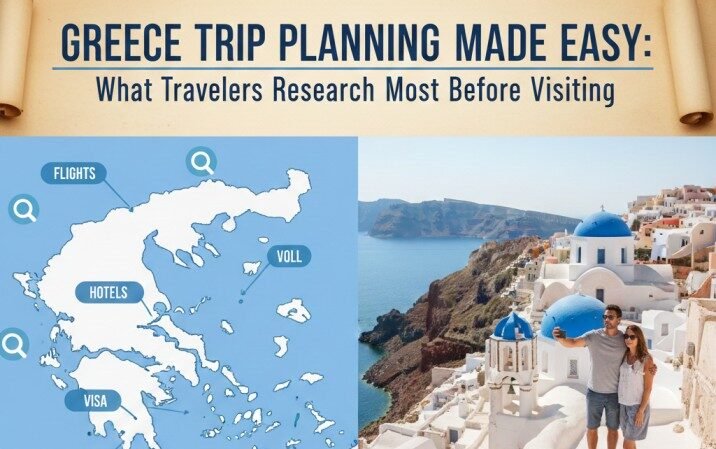
Planning a trip to Greece feels exciting, but it can also feel overwhelming because there are so many islands, regions, and experiences to choose from. Whether you’re dreaming of the Cyclades, ancient ruins, calm beaches, or food adventures, most travelers tend to research the same core topics before finalizing their itinerary. Understanding these areas makes planning smoother and ensures your trip is both relaxing and unforgettable.
This guide breaks down everything travelers usually look up before visiting Greece. It’s based on search trends, common planning questions, and real travel behavior — all explained in a simple, friendly way. If you’re heading to Greece soon or creating content for travelers, this covers it all.
Why Greece Trip Planning Matters More Than Ever
Greece has become one of the most searched destinations worldwide. With thousands of islands, dozens of archaeological sites, and countless beaches, there is no one “best way” to experience the country. Your choices depend on what you research beforehand, which is exactly why planning is so important.
Travelers usually focus on four things:
-
When to go
-
Which islands or regions to visit
-
How to get around
-
What budget they need
Getting clarity on these four areas makes the rest of your planning stress-free.
What Travelers Research Most Before Visiting Greece
Below are the top topics almost every visitor searches for, along with tips to make decisions easier.
Best Time to Visit Greece
Choosing the right time can shape your overall experience. People research seasons because the weather, prices, crowds, and ferry schedules change throughout the year.
Peak Season (June to August)
This is Greece at its liveliest. Expect hot weather, busy beaches, and full nightlife. It’s great for first-time visitors who don’t mind crowds.
Shoulder Season (May to early June, September to mid-October)
This is considered the sweet spot. The sea is warm, ferries run frequently, and prices are more balanced. Many experienced travelers recommend this period.
Low Season (November to April)
Some islands get quiet and ferries run less often, but Athens and larger islands like Crete stay active. This season is best for cultural travel and calm exploration.
More details about seasonal travel can be found at:
https://visitgreece.gr
Which Greek Islands to Visit
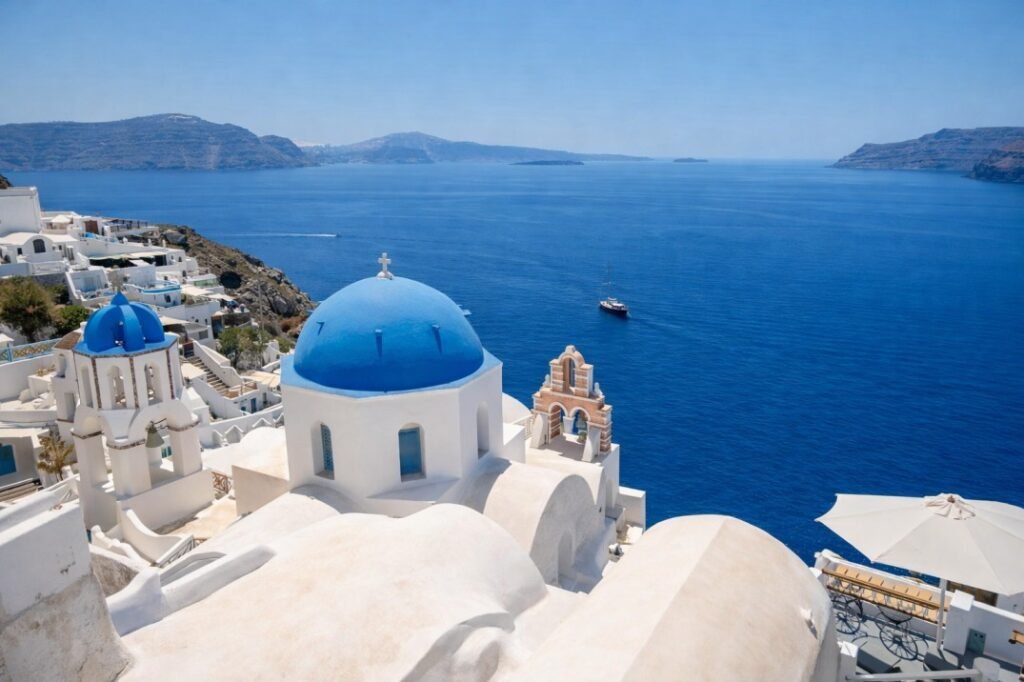
This is the most researched topic because Greece has over 200 inhabited islands. Travelers want to know which islands match their interests and whether they should combine multiple destinations.
Most Popular Choices
-
Santorini – known for sunsets and caldera views
-
Mykonos – famous for nightlife and beaches
-
Crete – the largest island with history, hiking, and varied landscapes
-
Rhodes – medieval old town and beautiful beaches
-
Corfu – lush greenery and Venetian architecture
Rising Alternatives
More travelers now search for quieter, underrated choices, such as:
-
Naxos (balanced and family friendly)
-
Sifnos (food culture)
-
Koufonisia (calm beaches)
-
Serifos (raw landscapes)
-
Kythnos (close to Athens)
Search interest for “less crowded Greek islands” has increased each year, showing that people want relaxation, better value, and a more local experience.
How to Plan Greek Island Hopping
Island hopping sounds easy, but ferries and geography require research. Travelers want to know:
-
Which islands pair well
-
How long they should stay
-
How ferries work
-
Whether island hopping is expensive
Popular Island-Hopping Routes
Cyclades Route: Athens → Naxos → Paros → Santorini
Simple, scenic, and beginner friendly.
Lesser Cyclades Route: Naxos → Koufonisia → Amorgos
Ideal for laid-back travelers.
Dodecanese Route: Rhodes → Symi → Kos
Great for culture and calm bays.
To check real-time ferry routes and timetables:
https://www.ferryhopper.com
https://www.directferries.com
How Long to Spend in Greece
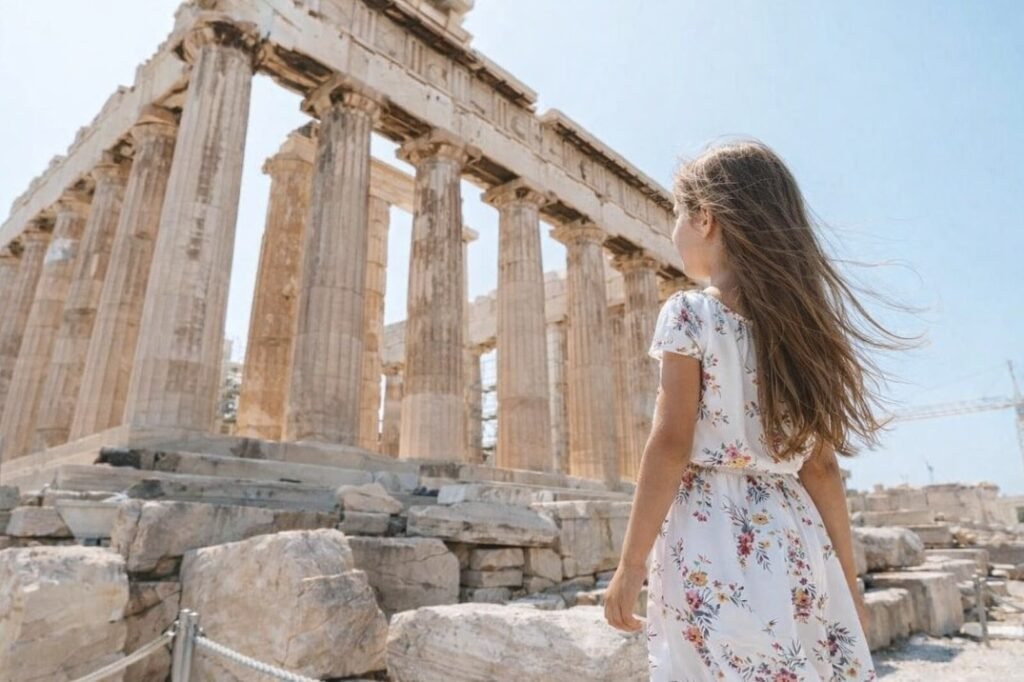
Another common question is how many days are enough. Most travelers research sample itineraries to understand what’s realistic.
First-time trip
7–10 days works well.
Example:
-
2 days Athens
-
3 days Naxos or Paros
-
3 days Santorini
Two-week holiday
Perfect for island hopping or combining islands with mainland culture.
Example:
-
Athens
-
Naxos
-
Santorini
-
Crete
One month
Ideal for slower travel, hidden islands, and exploring local life in depth.
Budget Planning: What Travelers Ask Most

Travelers search heavily for cost-related questions because prices vary between islands.
Main areas people research
-
Flight prices
-
Ferry costs
-
Hotel types (boutique, villas, guesthouses)
-
Average price of meals
-
Car and scooter rentals
-
Entry fees for archaeological sites
Average Daily Budget
-
Budget traveler: €50–70
-
Mid-range: €90–150
-
Luxury: €250+
SANTORINI and MYKONOS cost more.
NAXOS, PAROS, and CRETE offer the best value.
Best Places to Stay in Greece

Travelers often research accommodations early because popular islands book out fast.
What travelers look for
-
Sea-view hotels
-
Family-run guesthouses
-
Boutique hotels
-
Villas with pools
-
Affordable studios
Booking early is smart, especially for July and August.
Accommodation comparisons:
https://www.booking.com
https://www.airbnb.com
Transportation: Ferries, Flights, and Local Travel
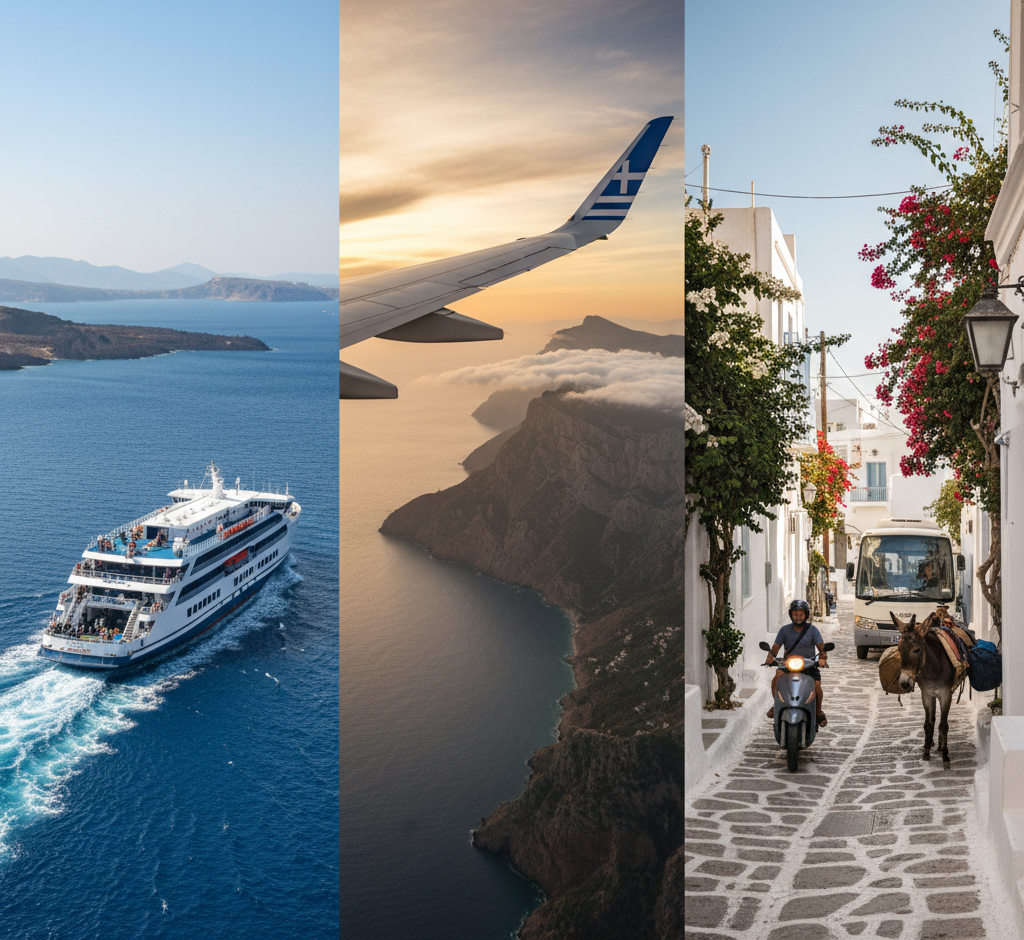
Getting around Greece requires a bit of planning.
Ferries
Most island connections happen by ferry. It’s part of the Greek travel experience, and travelers research:
-
Which ferries are high-speed
-
How early they should arrive
-
Whether seats sell out
Flights
Some islands like Santorini, Mykonos, Rhodes, and Crete have airports with international routes.
Local Transport
People also look up:
-
Bus routes
-
Car rentals
-
ATV and scooter rules
-
Taxi availability
-
Whether walking is enough
In smaller islands like Koufonisia or Hydra, walking is the norm.
What to Eat in Greece
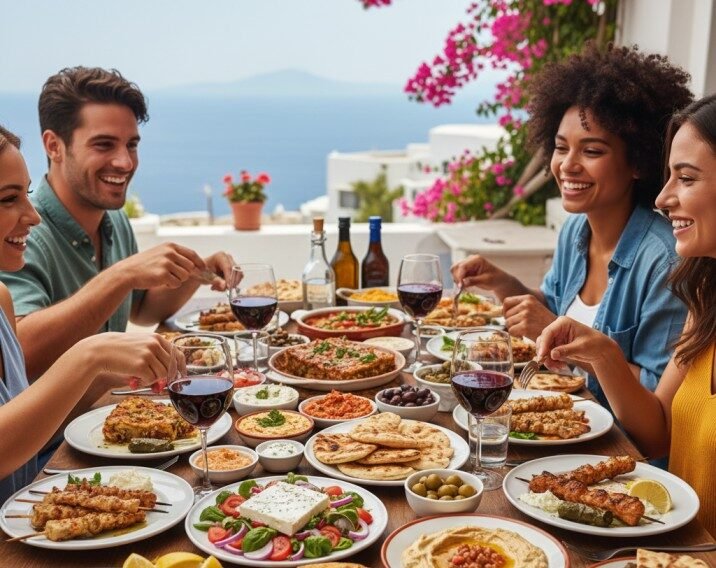
Food is a highlight of Greek travel. Many travelers research local dishes before visiting.
Must-try foods
-
Moussaka
-
Souvlaki
-
Fresh seafood
-
Greek salad
-
Tzatziki
-
Spanakopita
-
Loukoumades
Regional dishes travelers search for
-
Naxian potatoes
-
Cretan dakos
-
Santorini fava
-
Sifnos chickpea stew
-
Rhodes melekouni
Greek cuisine changes from island to island, so researching regional food helps travelers plan meals.
Cultural Etiquette Travelers Look Up
Visitors often search for Greek customs and social etiquette.
Common questions
-
Is tipping required?
-
Are dress codes strict at monasteries?
-
How do Greeks greet each other?
-
What phrases should I learn?
Simple Greek phrases travelers research
-
Efharisto (Thank you)
-
Kalimera (Good morning)
-
Parakalo (Please/You’re welcome)
-
Pos paei? (How’s it going?)
-
Logariasmo, parakalo (Bill, please)
Etiquette guides:
https://www.lonelyplanet.com/greece
Top Things to See in Athens
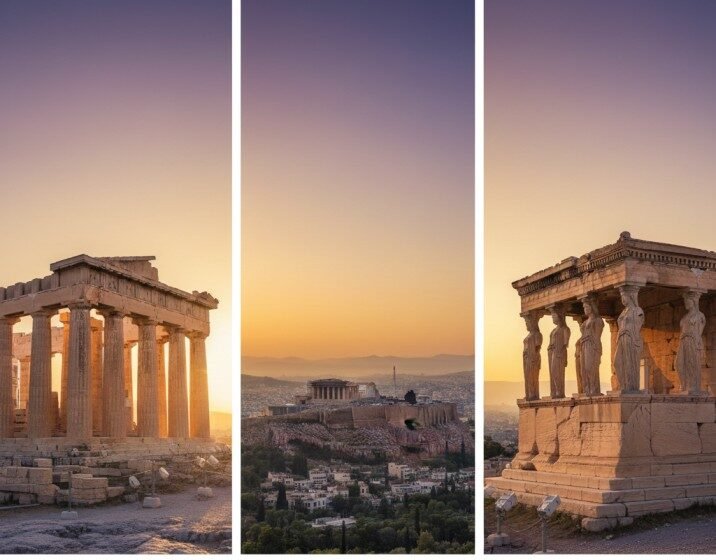
Athens is almost always part of the research process, and people want to know how much time to spend and what to see.
Top searches
-
Acropolis and Acropolis Museum
-
Plaka and Anafiotika
-
The Ancient Agora
-
Temple of Olympian Zeus
-
National Archaeological Museum
Most travelers also look for day trips:
-
Delphi
-
Cape Sounion
-
Meteora
Best Beaches in Greece
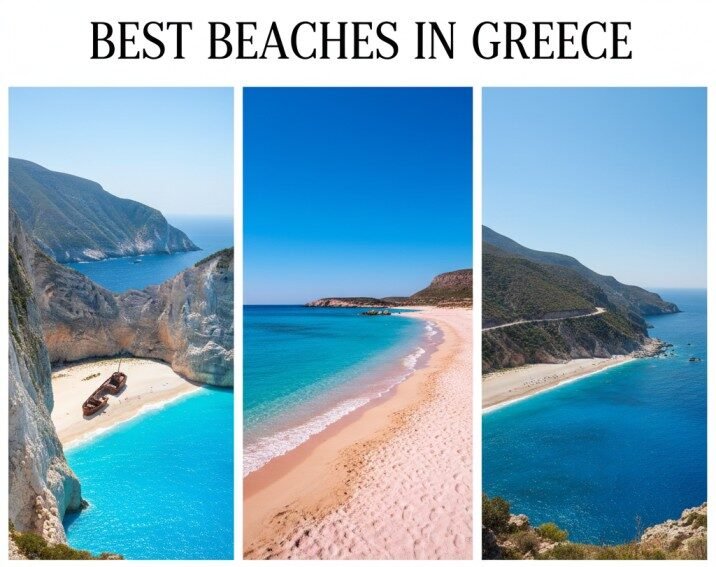
Before visiting, travelers research beaches heavily.
Most searched beach regions
-
Mykonos: Super Paradise, Psarou
-
Naxos: Agios Prokopios, Plaka
-
Zakynthos: Navagio Beach
-
Crete: Balos, Elafonissi, Falassarna
-
Paros: Kolymbithres
Travelers also search for quiet beaches, which pushes them toward islands like Koufonisia, Serifos, and Amorgos.
Safety and Travel Requirements

People also research basic safety information.
Common questions
-
Is Greece safe for solo travelers?
-
Are strikes common?
-
Do you need travel insurance?
-
Are ATMs widely available?
Greece is considered very safe, but planning ahead helps.
What to Pack for Greece
This is one of the most popular search topics.
Packing essentials
-
Light cotton clothes
-
Swimwear
-
Comfortable sandals
-
Reef-safe sunscreen
-
Hat and sunglasses
-
Power adaptor (Type C or F)
-
Light jacket for evenings
Travelers also search for what not to bring, especially on islands with steep paths or long walking distances.
Responsible Travel in Greece
More travelers now research how to travel responsibly.
Key areas
-
Respecting beaches
-
Supporting local businesses
-
Avoiding fast fashion shopping
-
Reducing plastic use
-
Following water-saving tips on dry islands
Awareness is growing as more people look for sustainability-based travel guides.
Sample 10-Day Greece Itinerary (Most Searched Structure)
Here’s the type of itinerary travelers look up before booking flights:
Day 1–2: Athens
Visit Acropolis, Plaka, and the museum.
Day 3–6: Naxos
Relaxed beaches, villages, food.
Day 7–9: Santorini
Caldera views, wineries, boat tours.
Day 10: Fly back from Santorini or ferry to Athens.
This plan works for both beginners and returning visitors.
External Resources for Greece Trip Planning
These are trusted sites travelers often use:
-
Greek tourism board: https://visitgreece.gr
-
Ferry schedules: https://www.ferryhopper.com
-
Island guides: https://www.greeka.com
-
Train info (mainland): https://www.trainose.gr
-
Cultural attractions: https://www.aia.gr and https://www.theacropolismuseum.gr
Final Thoughts
Most travelers who visit Greece start their planning with the same questions: when to go, which islands to choose, how much to budget, and how to get around. Once those decisions are clear, the rest becomes simple. Greece is welcoming, easy to explore, and full of places that stay with you long after the trip ends.